
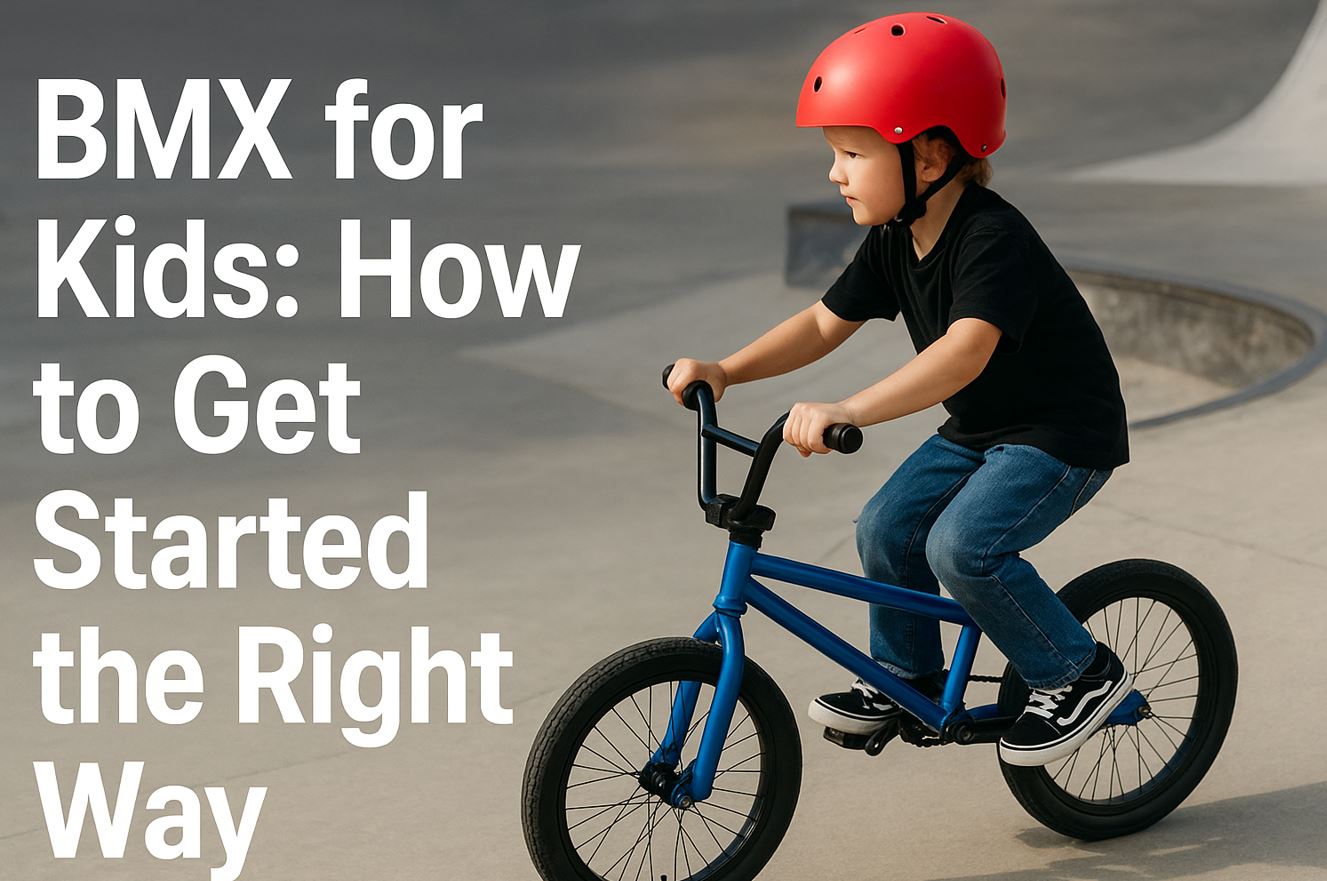
BMX riding isn’t just a sport — it’s a lifestyle that encourages confidence, balance, and creativity. For kids, learning to ride a BMX opens up a world of adventure, physical fitness, and self-expression. Whether your child dreams of racing, doing freestyle tricks, or simply riding with friends at the local park, starting the right way can make all the difference.
This guide will walk you through everything parents and young riders need to know about getting into BMX the smart and safe way — from choosing the right bike and gear to building skills, confidence, and passion for the sport.
1. Understanding What BMX Is
Before diving in, it’s important to understand what BMX (Bicycle Motocross) really means. Originally inspired by motocross racing in the late 1960s, BMX has evolved into several disciplines, each offering its own challenges and thrills.
The main types of BMX riding include:
- BMX Racing: A high-speed, competitive form where riders race on dirt tracks with jumps and berms. It’s now an Olympic sport.
- Freestyle BMX: Involves performing tricks on ramps, in skateparks, or in the streets. It includes sub-disciplines like park, street, flatland, vert, and dirt jumping.
- Pump Track Riding: A newer, flow-based form of BMX where riders use body movement to generate speed through a continuous loop of rollers and berms.
For kids, BMX provides an accessible entry point into cycling that’s both exciting and confidence-building. Most importantly, it teaches resilience — falling, getting back up, and trying again.
2. Choosing the Right BMX Bike for Kids
Selecting the correct BMX bike is the foundation for a fun and safe experience. Kids’ BMX bikes come in various sizes based on wheel diameter and frame geometry. The goal is to find a bike that fits their height and riding ability — not one they’ll “grow into.”
Here’s a quick sizing guide:
| Rider Age | Height Range | Recommended Wheel Size |
|---|---|---|
| 3–5 years | Under 3’6” (110 cm) | 12” or 14” |
| 5–7 years | 3’7”–4’0” (125 cm) | 16” |
| 7–9 years | 4’1”–4’6” (140 cm) | 18” |
| 9–13 years | 4’7”–5’0” (155 cm) | 20” (standard BMX size) |
For younger kids, lightweight aluminum or hi-tensile steel frames work best. A lighter bike makes it easier to maneuver, especially when learning basic tricks or balancing.
When choosing, look for quality components — sealed bearings, reliable brakes, and smooth tires. Reputable beginner-friendly brands include Cult, Fit, Sunday, Subrosa, and Haro.
If your child shows interest in a specific style (racing vs. freestyle), consider that when picking frame geometry. Racing BMX bikes are longer and lighter, while freestyle frames are shorter and sturdier for tricks.
3. Essential Safety Gear for Kids
Safety should always come first, especially for young riders who are still developing control and balance. BMX is a safe sport when proper precautions are taken, but gear is non-negotiable.
Here’s what your child will need:
- Helmet: A certified BMX or skate-style helmet is crucial. It should fit snugly without wobbling and always be fastened securely.
- Gloves: Protect small hands from blisters and scrapes.
- Knee and Elbow Pads: Offer extra protection during falls.
- Shoes: Flat-soled shoes with grip, like Vans or Adidas BMX models, give better pedal control.
- Long Sleeves and Pants: For beginners, clothing that covers the skin helps prevent minor injuries.
Encourage your child to treat safety gear as part of the riding experience — not an inconvenience. Many pro riders still wear helmets and pads during training, showing kids that safety and style go hand-in-hand.
4. Learning the Basics
Once your child has the right bike and gear, it’s time to ride! Start with the fundamentals.
Here’s a step-by-step progression for beginners:
- Balancing and Braking:
Begin on a flat, open space like a driveway or empty park. Let your child learn how to balance while coasting and use the brakes gently. - Pedal Control:
Teach them to apply consistent pressure on the pedals. Encourage smooth starts and stops. - Standing on Pedals:
BMX riding often requires standing rather than sitting. Have your child practice riding while standing to improve control. - Turning and Pumping:
Once comfortable, introduce leaning into turns and pumping through small bumps. These are core BMX skills used on all terrains. - Small Jumps and Tricks:
Start with basic bunny hops or riding off small curbs. Always ensure there’s soft ground or padding nearby when practicing.
At this stage, patience is key. Kids learn best through fun and repetition, not pressure. Celebrate small milestones — every new trick or smooth turn is a big step forward.
5. Finding the Right Places to Ride
After mastering the basics, it’s time to explore local BMX-friendly spots. Depending on where you live, you might find:
- Public Skateparks: Great for freestyle riders. Most parks have beginner-friendly areas for kids.
- BMX Tracks: Usually managed by local clubs where kids can race and learn from coaches.
- Pump Tracks: Perfect for young riders to build flow, coordination, and endurance.
- Empty Parking Lots or Parks: Ideal for practicing balance and slow-speed control.
Joining a BMX club or coaching session can also help your child progress faster while meeting friends who share the same passion. Many clubs run programs specifically for kids, emphasizing safety and confidence building.
6. Building Confidence and Encouraging Progress
Confidence plays a huge role in BMX. Every child will fall or struggle at some point — what matters is helping them see those moments as part of the learning journey.
Here are some ways to build confidence:
- Set small, achievable goals. For example, “Today we’ll ride across the park without stopping.”
- Celebrate effort, not just success. Praise them for trying new things, even if they don’t land the trick.
- Ride together. Parents who join in (even casually) make the experience more enjoyable.
- Show them BMX videos. Watching professionals like Mat Hoffman, Kriss Kyle, or Charlotte Worthington can inspire and teach new ideas.
As they progress, consider upgrading their equipment — better tires, lighter parts, or a new color scheme can keep motivation high.
7. The Benefits of BMX for Kids
BMX is more than a sport — it’s an education in life skills. Here are some of the biggest benefits for children:
- Physical fitness: Improves coordination, balance, and core strength.
- Confidence: Mastering new tricks boosts self-esteem.
- Creativity: Freestyle riding encourages expression and experimentation.
- Resilience: Teaches persistence and dealing with challenges.
- Community: BMX has a supportive, inclusive culture where kids can make lifelong friends.
Many parents find that BMX keeps their children active and away from screens, while also nurturing discipline and independence.
8. Keep It Fun
Above all, BMX should be fun. The moment it feels like pressure or competition, it loses its magic. Let kids choose what kind of riding they enjoy — whether it’s cruising around the neighborhood or hitting ramps at the park.
Encourage exploration, not perfection. BMX is a personal journey, and every rider — young or old — rides differently.
Conclusion
Starting BMX at a young age can set the stage for a lifelong passion. With the right bike, safety gear, and supportive guidance, kids can develop not just as riders but as confident, creative individuals.
Remember: it’s not about being the best — it’s about enjoying the ride, making progress, and having fun. So grab that helmet, roll out to the nearest park, and watch your child discover the thrill of BMX the right way.