
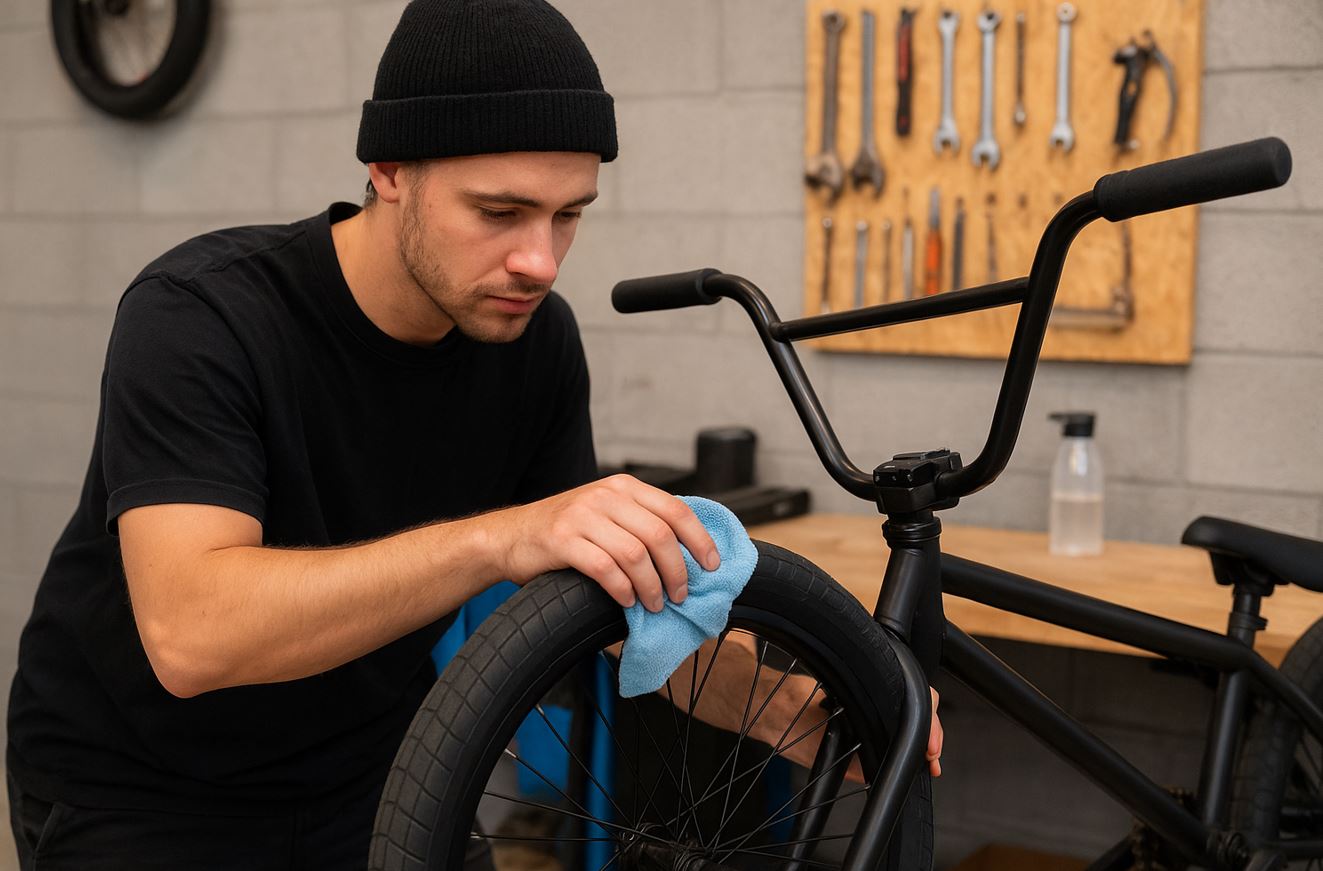
Your BMX bike is more than just a set of wheels — it’s an extension of you. Whether you’re hitting the skatepark, grinding street rails, or flying over dirt jumps, your bike takes a beating every time you ride. Proper maintenance is the key to keeping it smooth, safe, and ready for action.
A well-maintained BMX not only performs better but also lasts longer and saves you money on repairs in the long run. In this article, we’ll walk you through everything you need to know about how to maintain your BMX bike for peak performance, from daily care routines to deeper tune-ups.
1. Clean Your Bike Regularly
It might sound basic, but cleaning your bike is the foundation of all maintenance. Dirt, dust, and grime can wear down components, clog moving parts, and even corrode metal surfaces.
Here’s how to clean your BMX properly:
- Rinse lightly with low-pressure water. Avoid spraying directly into bearings or hubs.
- Use mild soap or a bike-specific cleaner with a soft sponge or brush.
- Scrub the drivetrain (chain, sprocket, and pedals) carefully to remove grease buildup.
- Dry completely with a clean towel to prevent rust.
- Apply lubricant to the chain after drying.
Tip:
Avoid harsh chemicals or degreasers not meant for bikes — they can strip protective coatings and damage bearings.
2. Keep Your Chain Clean and Lubricated
Your chain is one of the hardest-working parts of your BMX. A dirty or dry chain can cause skipping, stiffness, and extra wear on your sprockets.
- Clean it regularly with a rag and bike-safe degreaser.
- Once it’s clean and dry, apply lubricant evenly across the chain while pedaling backward.
- Wipe off any excess lube with a towel — too much oil attracts dirt.
If your chain starts to feel rough or makes noise even after cleaning, it might be time to replace it. A stretched or rusted chain can damage other drivetrain parts and affect performance.
3. Check Tire Pressure Before Every Ride
Tire pressure affects how your BMX feels, grips, and absorbs impact. Riding with too little air makes pedaling harder and increases the risk of rim damage, while overinflated tires reduce control.
- Recommended pressure: Between 60–100 PSI (check your tire’s sidewall for the exact range).
- For street riding, go for slightly lower pressure (60–80 PSI) to improve traction and cushion landings.
- For park or racing, use higher pressure (80–100 PSI) for faster rolling and more responsive control.
A simple floor pump with a pressure gauge will make checking your tires quick and easy.
4. Inspect and Tighten Bolts Regularly
BMX riding involves a lot of vibration and impact — bolts naturally loosen over time. Loose parts are not just annoying; they’re dangerous.
After every few rides, check and tighten:
- Stem bolts (connect handlebars to fork)
- Crank bolts (secure pedals and crank arms)
- Axle nuts (hold the wheels in place)
- Seat clamp bolt
- Brake mounts and levers (if you use brakes)
Use the proper Allen keys or socket wrenches, and don’t overtighten — you want firm, even pressure without stripping threads.
5. Check Your Wheels and Spokes
Wheels take a beating in BMX. Impacts from jumps or grinds can cause spokes to loosen, rims to bend, or hubs to wobble.
Here’s what to look for:
- Spin your wheel and check if it wobbles side to side — that means it’s out of true.
- Squeeze pairs of spokes with your fingers; they should feel tight and even.
- Listen for clicking sounds — loose spokes often make noise.
If the wheel wobbles significantly or spokes feel uneven, take it to a bike shop for truing. Attempting to fix spoke tension without experience can make it worse.
6. Check Bearings and Hubs
Bearings keep your wheels, headset, and bottom bracket spinning smoothly. If you hear grinding noises or feel resistance when spinning the wheels or handlebars, the bearings may be dirty, dry, or worn.
How to maintain them:
- Clean the exterior regularly to prevent dirt buildup.
- If bearings feel rough, remove and regrease them using high-quality bike grease.
- For sealed bearings, replacement is often easier than cleaning.
Riders who grind frequently should inspect hub bearings often, as they’re more exposed to stress and impact.
7. Inspect the Drivetrain
The drivetrain includes the cranks, sprocket, pedals, and chain. This system transfers your pedaling power into motion — and it endures constant stress.
- Make sure the cranks spin smoothly without wobbling.
- Check the sprocket teeth for wear or sharp edges.
- Ensure pedals spin freely and grip properly.
If your cranks or pedals feel loose, it’s often a simple fix with a wrench or Allen key. However, persistent creaking might mean the bottom bracket needs tightening or replacement.
8. Examine Handlebars and Headset
Handlebars and headset alignment are crucial for control and safety. After heavy landings, these components can shift slightly.
- Stand in front of your bike and check if the bars are centered with the front wheel.
- Hold the front brake and rock the bike back and forth — if you feel a “clunk,” your headset might be loose.
- Tighten the headset bolt and stem evenly until it feels solid but still turns smoothly.
A wobbly front end can throw you off balance during tricks, so make sure everything up front is locked in place.
9. Brake Maintenance (If You Use Them)
While many freestyle BMX riders prefer brakeless setups, brakes are still common among beginners and racers.
If your bike has brakes, keep them sharp:
- Check brake pads for wear and replace when thin.
- Clean the rims to remove dirt that causes squeaking.
- Lubricate the brake cable occasionally for smoother pulls.
A properly tuned brake can save you in unexpected situations — even if you rarely use it.
10. Check for Frame and Fork Damage
After big drops or crashes, inspect your frame and fork carefully for cracks, dents, or unusual bends. Pay extra attention around welds, dropouts, and the head tube area — these are common stress points.
If you notice cracks or severe bends, stop riding immediately. Structural damage can lead to catastrophic failure and serious injury. A professional mechanic can determine if it’s safe to repair or if you need a replacement.
11. Storage and Long-Term Care
Where you store your BMX also affects its lifespan:
- Keep it indoors to prevent rust from humidity and rain.
- Avoid leaving it in direct sunlight — UV rays can weaken tires and fade paint.
- Hang it on a wall rack or bike stand to relieve pressure from the tires.
If you take a break from riding for a while, release some tire pressure and lubricate the chain before storing.
12. Professional Tune-Ups
Even if you maintain your BMX regularly, a professional tune-up once or twice a year can make a big difference. Bike shops can spot early signs of wear, true your wheels, and replace worn parts before they cause bigger issues.
Think of it like a health check-up — prevention is always better than repair.
Final Thoughts
BMX riding pushes both you and your bike to the limit. Every jump, spin, and grind adds stress to the machine that carries you. Regular maintenance isn’t just about performance; it’s about safety, confidence, and respect for your ride.
By keeping your BMX clean, tight, and tuned, you’ll not only extend its life but also ride smoother, faster, and with greater control. Whether you’re a weekend rider or a daily shredder, treat your bike well — and it’ll reward you with countless sessions of pure freedom on two wheels.